Beautiful.ai makes one specific promise: you should not be able to build an ugly slide. Almost everything else about the product follows from how it keeps that promise, and understanding the mechanism tells you in advance whether it is the right tool for you.
The mechanism is what the company calls smart slide templates — a design engine that applies layout rules automatically. Add a bullet, cut one, drop in a logo, and the slide re-balances itself: spacing, alignment and sizing adjust so the result stays clean without you ever touching a guide or a gridline. That single decision defines the whole product. It is why a non-designer walks away with a consistent, professional deck in minutes, and it is equally why a designer who wants to nudge one box three pixels to the left will feel boxed in. Beautiful.ai trades freeform control for guaranteed polish, deliberately.
It is one of the standalone AI presentation makers — a web app in its own right, not an add-in for PowerPoint or Google Slides — and it aims more squarely at business teams than at individuals.
How it works
AI generation sits on top of the smart-template engine rather than beside it. Describe the deck you want and it drafts structure, content and design together; you then refine within the rules. The difference from the pure prompt-in, deck-out tools is that the guardrails never switch off — even a slide you build by hand stays inside the design system. That is the intended behaviour, not a limitation to fight.
Where it genuinely stands out
Consistency is effectively automatic. The strongest thing you can say about Beautiful.ai is that a deck made by someone with no design sense still looks composed, and a deck made across ten contributors still looks like one deck. For an organisation, that second point is worth more than any single feature.
Editable PowerPoint export, not image-only. Decks leave the tool as genuine .pptx (and PDF), so the output drops into a PowerPoint-based workflow and stays editable. That is not universal in this category, and it is the detail that keeps Beautiful.ai usable inside businesses that live in PowerPoint — see the AI PowerPoint Tools comparison.
Team and brand governance is the real differentiator. A shared brand and template library, version control, admin controls, and Enterprise-grade SSO and guardrails separate it from lighter tools. This is built for keeping many people on-brand, not for one person making a one-off deck. If off-brand drift across a team is your actual problem, this is aimed straight at it.
A mature product with a real track record. It holds a G2 rating of 4.7/5 across roughly 195 reviews — the deepest verified independent review base among its closest peers, which counts for something in a category full of six-month-old tools and vendor claims.
Free vs paid — and the catch
There is no free plan, and that is the first thing to weigh. Beautiful.ai offers a 14-day trial, but it asks for a card up front — a real friction point next to rivals that let you generate a deck before paying anything.
Pricing is per user. Pro runs $14.50/user/month billed annually (or $45 month-to-month) and covers a single user with unlimited AI generation, unlimited slides and decks, and editable PowerPoint and PDF export. Team, at $40/user/month billed annually, adds the shared brand and template library, real-time collaboration and version control — collaboration is a Team feature, so Pro is genuinely single-user. Enterprise adds SSO, granular permissions, guardrails and audit logs at custom pricing. Treat these as a guide and confirm the current figures on Beautiful.ai's pricing page before you buy.
Who it's best for
Teams and professionals who value on-brand consistency and are happy to work within a design system to get it — sales, consulting, internal communications, anyone producing a steady flow of decks that all have to look right and look the same. If your recurring pain is decks that drift off-brand across contributors, this is built for exactly that.
Where it may not be the best fit
Designers who want pixel-level control will chafe against the smart templates; that freedom is deliberately off the menu. Anyone who wants to try before handing over a card will find the trial-only model less generous than Gamma's or Presentations.AI's free tiers. And at $45 month-to-month it is the priciest entry point among its close peers unless you commit to annual billing.
Alternatives to consider
- Gamma — faster to a first draft and it has a genuine free plan, but looser brand governance and a lossy PowerPoint export.
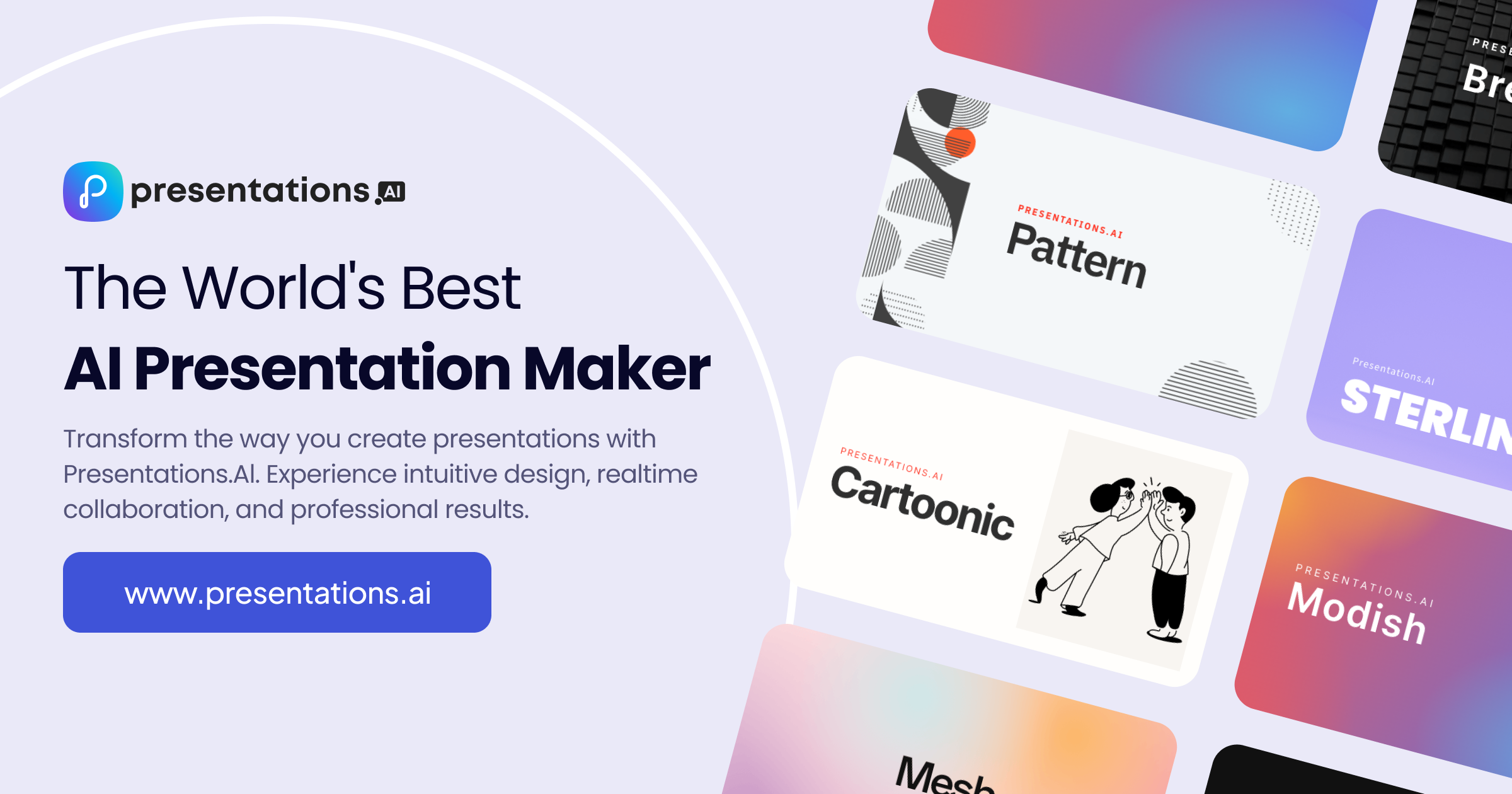
- Presentations.AI — more conversational generation and a free tier, though a far thinner independent track record.
- Pitch — if the priority is team collaboration and a presentation workspace rather than automated design.
- Plus AI — if the deck ultimately has to live in PowerPoint or Google Slides, generate it there instead.
Pricing, plans and features change — confirm the current details on Beautiful.ai's own site before you buy.